After 25 years in enterprise tech and consulting, I still love the work, but I’d be lying if I said there isn’t a dark underbelly. Too many projects get steered by hidden incentives, internal politics, and narrow viewpoints that put vendors first and clients last. Here’s a candid look at the patterns I’ve seen, and a practical checklist you can use to avoid them.
1) Conflicts of Interest Are Everywhere
At many firms, “independent advice” isn’t independent at all. Partnerships with software vendors, reseller commissions, and referral fees create powerful incentives to recommend a pre-selected platform, then sell as much software and implementation work as possible.
Why it matters: You pay for objectivity but get a sales channel in disguise. The result is technology bloat, higher run-rate costs, and a roadmap that serves a partner program more than your operating model.
Red flags
- The “evaluation” always narrows to one vendor the firm already staffs.
- Fees are offset by vendor commissions (not disclosed in your SOW).
- The recommendation looks suspiciously similar from client to client.
What good looks like
- Contractual no-commission, no-resale clauses.
- Written disclosure of all partner ties, ideally, none.
- Comparative options with trade-offs, not a single ordained answer.
2) Misaligned Goals Inflate Cost and Risk
Large integrators maximize revenue by front-loading resources and compressing timelines. When the schedule slips (as it will if Phase 0 and change work are thin), they keep billing while you absorb the delay and disruption.
Red flags
- An “accelerated” plan that assumes instant executive decisions and near-perfect data.
- A staffing model that grows regardless of stage gates or outcomes.
- Pushback when you add time for business readiness, testing, or training at scale.
What good looks like
- A joint plan owned by your PMO with explicit decision lead times.
- Stage-gated funding tied to exit criteria you control.
- A stabilization window is built into each release before the next rollout.
3) Politics, On Your Dime
I’ve sat in too many war rooms where consultants spent billable hours politicking: defending turf, blocking independent QA, or “managing out” stakeholders who asked hard questions.
Red flags
- Resistance to independent oversight or quality assurance.
- Side meetings about internal “optics” instead of measurable outcomes.
- Defensive posturing when you request transparency on risks or defects.
What good looks like
- Open doors to QA and internal audit.
- Issue logs, risk registers, and decision records visible to the business.
- A culture of surfacing problems early, without spin.
4) Siloed Expertise + Old Habits = Repeat Failures
Too many teams arrive with blinders on: deep knowledge of one product, little context on process design, data architecture, or change impact. That’s how we get tech-first rollouts that struggle with adoption and value, just like they did 20 years ago.
Red flags
- “The software will define your process.”
- Light UAT focused on technical pass/fail, not end-to-end business outcomes.
- Minimal attention to org design, role changes, or data ownership.
What good looks like
- Cross-functional design (process, data, controls, experience) before build.
- Multiple UAT cycles that simulate real work and variance, not “happy path.”
- A funded change program (communications, training at scale, org/role design).
5) “Anyone Can Consult” (But Not Everyone Should)
The market is full of one- or two-person shops with slick sites and thin experience. Good intentions don’t equal transformation capability.
Red flags
- Vague case studies and no named references.
- Thought leadership that’s recycled vendor messaging.
- No track record in integrating business, data, change, and technology.
What good looks like
- References that match your industry, scale, and complexity.
- Named leaders on the project (and the right to approve substitutions).
- A portfolio that shows measurable outcomes, not just go-lives.
A Buyer’s Checklist You Can Use Today
Use this as a gating criteria before you sign, and again at each stage gate.
- Independence & Disclosure
- Written confirmation of no reseller/commission revenue tied to your scope
- Full disclosure of all partner relationships
- Governance & Incentives
- Stage-gated plan with your PMO as final approver
- Milestone payments tied to business exit criteria (not just technical)
- Scope Reality
- Dedicated time for Phase 0, decision making, data remediation, and integration design
- Multi-cycle UAT (including negative testing and cutover rehearsal)
- Funded change management (communications, role design, training at scale)
- Transparency
- Live access to risk/issue logs, burn rates, and backlog
- Independent QA is empowered to escalate directly to the steering committee
- Talent Quality
- Named key personnel + right to approve replacements
- Demonstrated end-to-end transformations, not just product certifications
How to Structure the Engagement (So You Stay in Control)
- Own the PMO. Vendors execute; you govern. Keep scheduling, RAID, and budget control in-house or with a truly independent partner.
- Contract for outcomes, not hours. Tie payment to verifiable business exit criteria, data readiness, process sign-off, adoption thresholds, not just “code complete.”
- Separate QA from build. Independent assurance should report to the steering committee, not the integrator.
- Budget for stabilization. Every go-live needs a measured period for defect burn-down, process tuning, and value capture before you scale.
- Reward truth-telling. Teams that surface risks early should be supported, not sidelined.
Bottom Line
Consulting can be a force multiplier or a cost center that protects its own interests first. You don’t need to accept the dark-side trade-offs. With the right guardrails, incentives, and transparency, you can get the expertise you need on your terms.
If you want a neutral gut-check on a proposal, timeline, or staffing plan, I’m happy to compare notes and share a sample QA checklist.
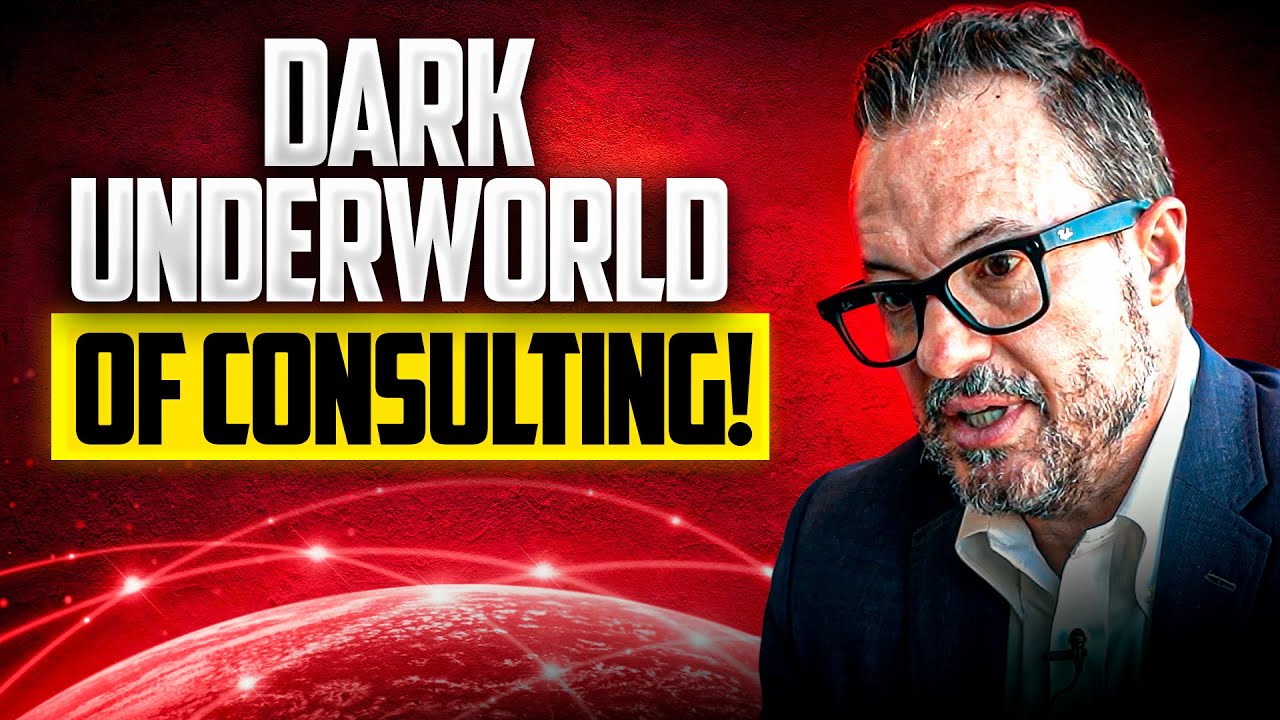

Eric is recognized globally as a leading voice in digital transformation and ERP strategy. Over the past two decades, he has helped hundreds of organizations – including Nucor Steel, Fisher & Paykel Healthcare, Kodak, Coors, Boeing, and Duke Energy – define their technology roadmaps, modernize complex operations, and deliver real business value from large-scale transformation initiatives.
As Founder and CEO of Third Stage Consulting, Eric leads an independent, technology-agnostic advisory firm focused on helping clients navigate the shift from traditional ERP to more flexible, AI-enabled Digital Enterprise Operations (DEO) models. His work spans ERP selection, implementation quality assurance, organizational change, and operating model design across a wide range of industries and geographies.
Eric is also a prolific thought leader, known for his pragmatic takes on AI, cloud, and enterprise software trends, as well as his firm’s benchmark research and frameworks for de-risking transformation. He is dedicated to helping executive teams cut through vendor hype, make confident investment decisions, and successfully reach the “third stage” of their digital evolution.